La Gomera
Garajonay forest, steep ravines, whistled traditions and black-sand beaches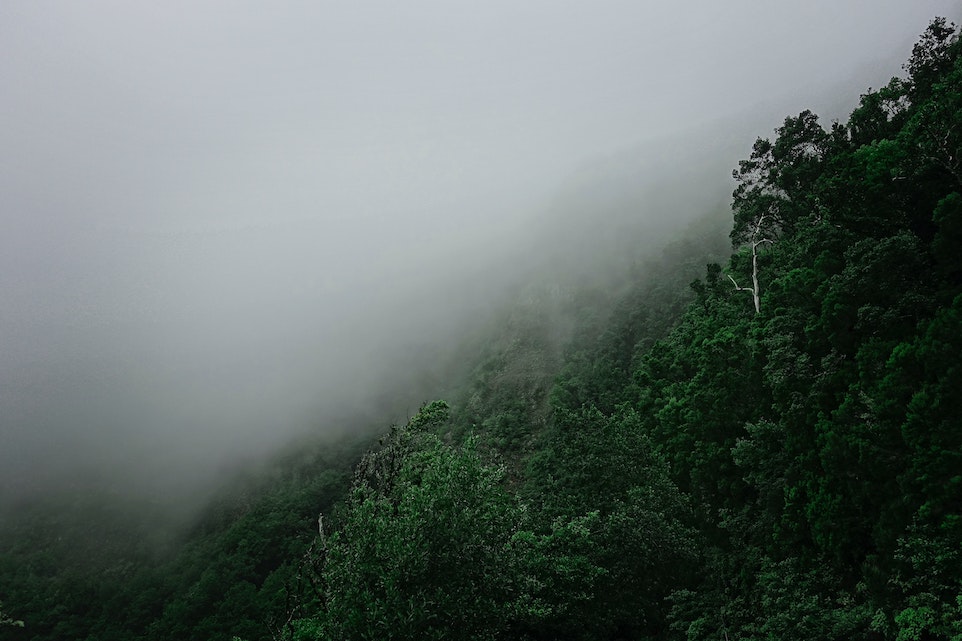
La Gomera is close to Tenerife by ferry, but it feels like a different rhythm altogether. The island is small, steep and deeply cut by ravines, with roads that twist between palm valleys, black-sand coves, whitewashed villages and the misty highland forest of Garajonay.
Its topography has kept mass tourism at a distance. La Gomera is not an island of big resort belts; it is an island of walking trails, viewpoints, village terraces, ferry-linked escapes and slow drives where the next valley can feel surprisingly remote.
At a glance
La Gomera suits hikers, independent travelers and anyone who wants landscape over spectacle. Garajonay National Park is the signature experience, with ancient laurel forest and cool, cloud-brushed paths, but the rest of the island matters just as much: Hermigua, Agulo, Vallehermoso, San Sebastian and Valle Gran Rey all offer different moods.
The island is a UNESCO biosphere reserve and still holds distinctive traditions, including Silbo Gomero, the whistled language once used to communicate across ravines. Food is similarly rooted in place, with palm honey, goat cheese, almogrote and hearty local dishes turning up in simple village restaurants.
What La Gomera is best for
Choose La Gomera for walking, scenic driving, quiet beaches, whale and dolphin watching, and a more traditional island atmosphere. It is especially good as a few-day extension from Tenerife or as a slower week for travelers who prefer trails and villages to resort infrastructure.
The north is green and agricultural, with historic hamlets and dramatic roads.
The centre belongs to forest, ridges and rock formations. The south brings the main port, sunnier beach towns and the long descent into Valle Gran Rey.
How to plan a trip
San Sebastian is the practical arrival point and a useful short-stay base.
Valle Gran Rey works well for longer coast stays, sunsets and walking access.
The north and highlands are best for travelers who want quiet accommodation, cooler air and immediate access to rural landscapes.
A car is the easiest way to understand La Gomera, but roads are winding and journeys take longer than the island’s size suggests. Buses connect the main settlements, though schedules are limited enough that they reward careful planning.
When to go
La Gomera is walkable most of the year, with spring and autumn especially comfortable. Spring is strong for greener scenery and marine wildlife trips; autumn is good for hiking after the summer heat eases. Winter can bring rain and cloud in the highlands, while summer is warmer and busier with domestic travel.
Cloud, wind and visibility can change quickly around Garajonay, so build flexibility into walking days rather than treating the forecast as a guarantee.
Local character
La Gomera feels self-contained and older in rhythm than many Canarian destinations. Its best moments are often simple: a forest walk, a mirador in changing cloud, lunch in a hamlet or a black-sand beach at the end of a ravine.
That understated quality is the point.
Practical notes
Bring layers for the high ground, proper footwear for trails and patience for roads. If visiting on a day trip from Tenerife, choose a focused route rather than trying to circle the island at speed. La Gomera is small, but it is not a place to rush.
How it fits the island
La Gomera works best as a set of linked travel zones rather than a single checklist: San Sebastian, the green north, Garajonay and Valle Gran Rey. Use that structure when planning, because the island’s laurel forest, steep ravines, palm valleys, black-sand coves and traditional hamlets can make nearby-looking places feel very different once weather, road shape and elevation come into play.
Use La Gomera as a way to vary the pace of a La Gomera itinerary. It works best alongside the island’s better-known landscapes, not as a standalone box to tick.